TheDavidImage©
ARCHIVEPhotographer
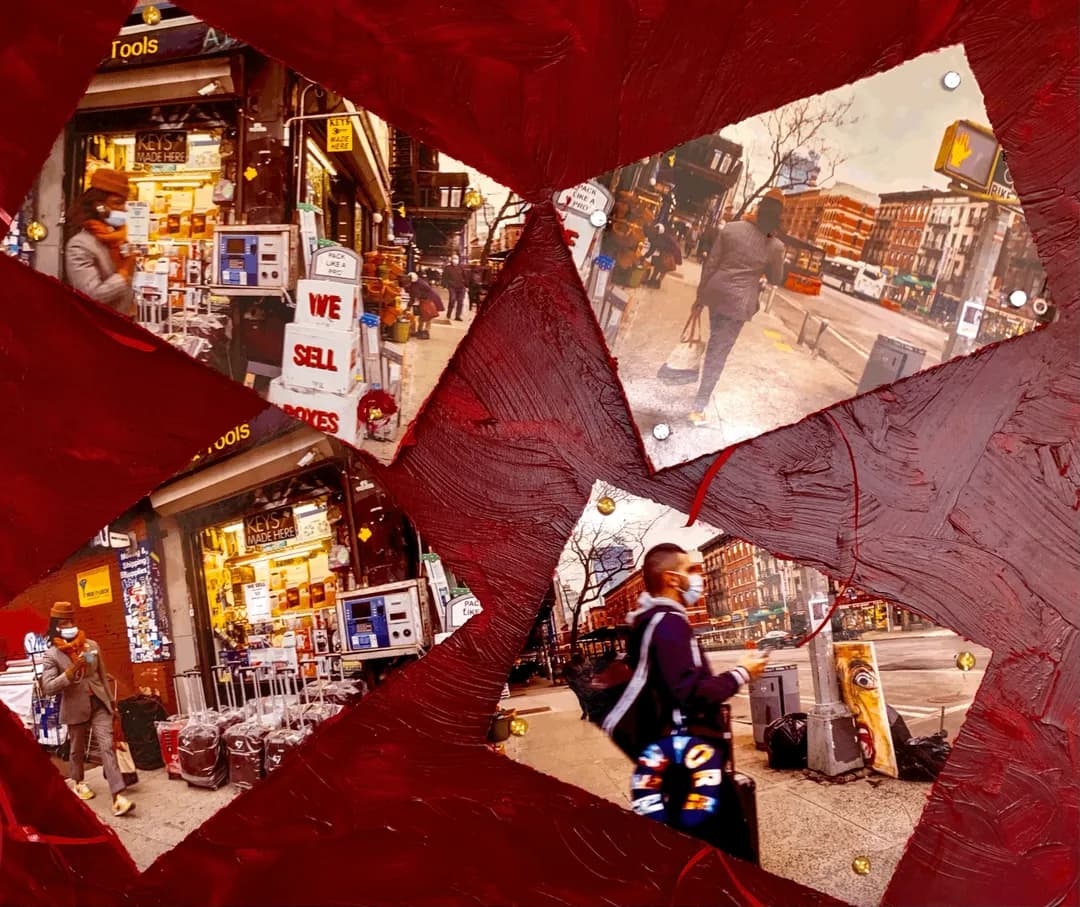
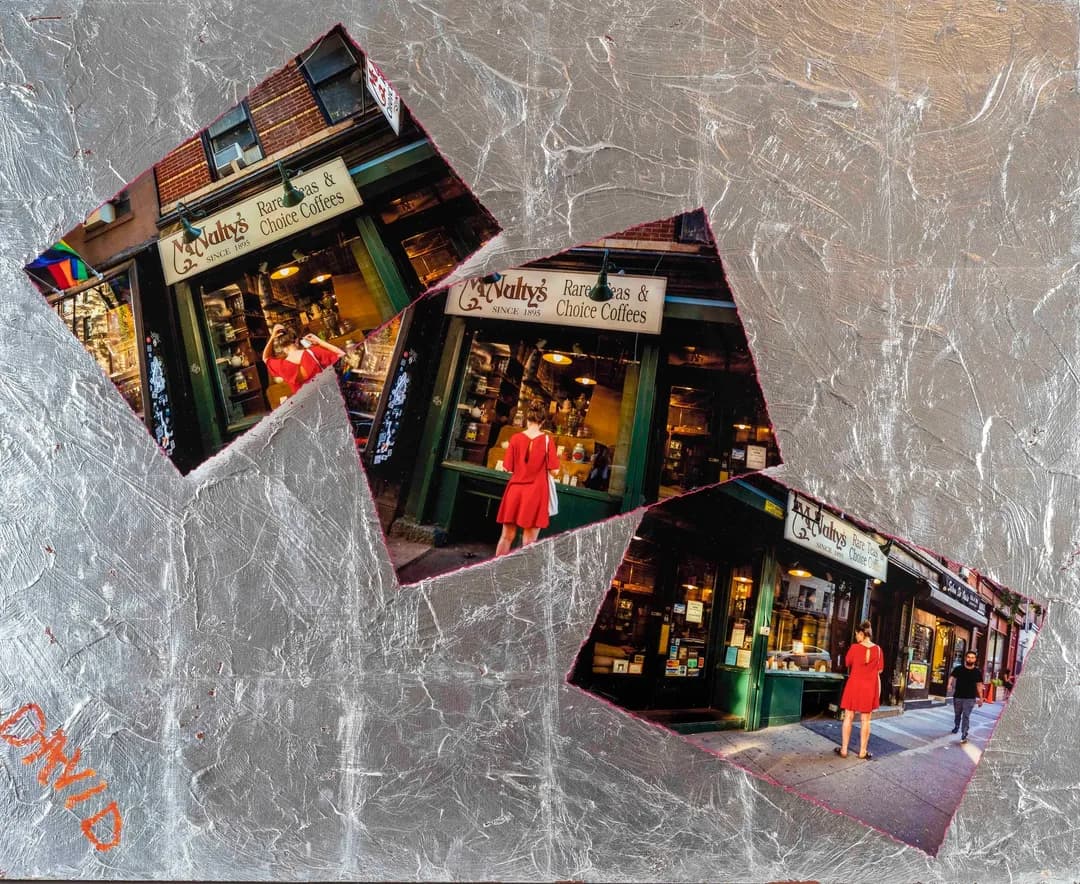
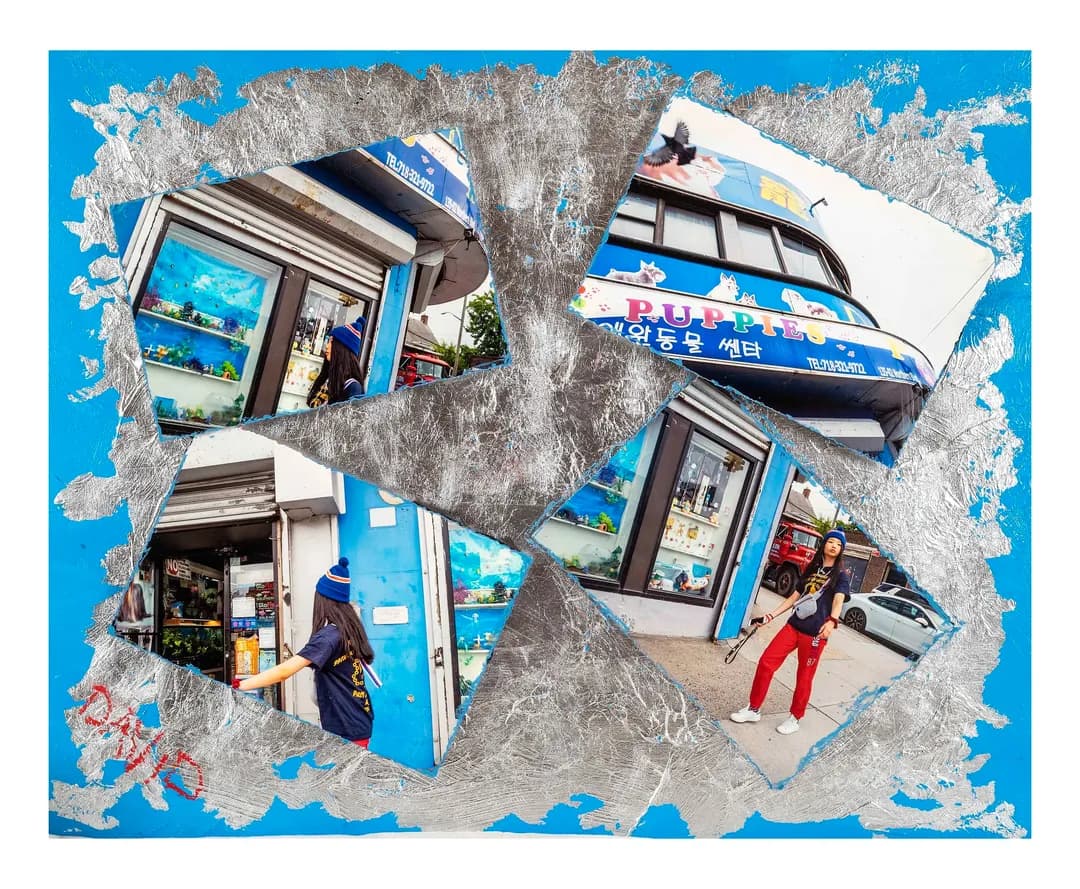
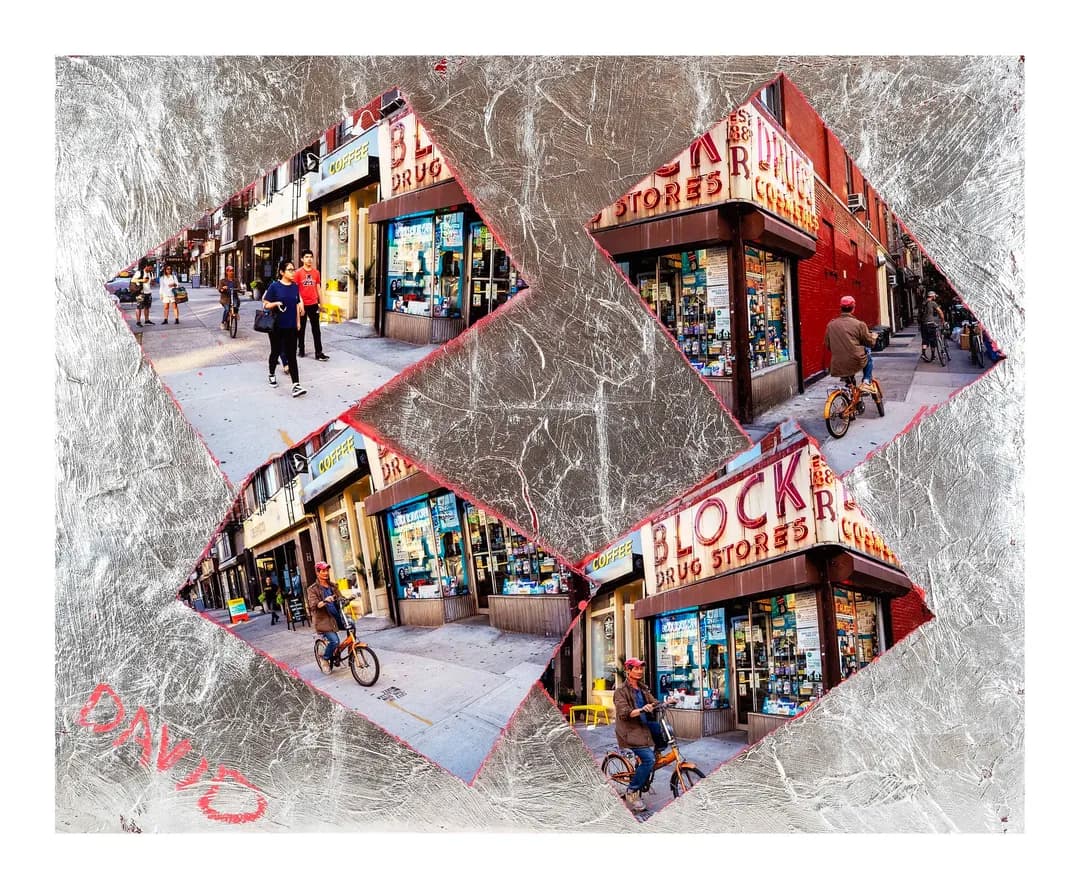
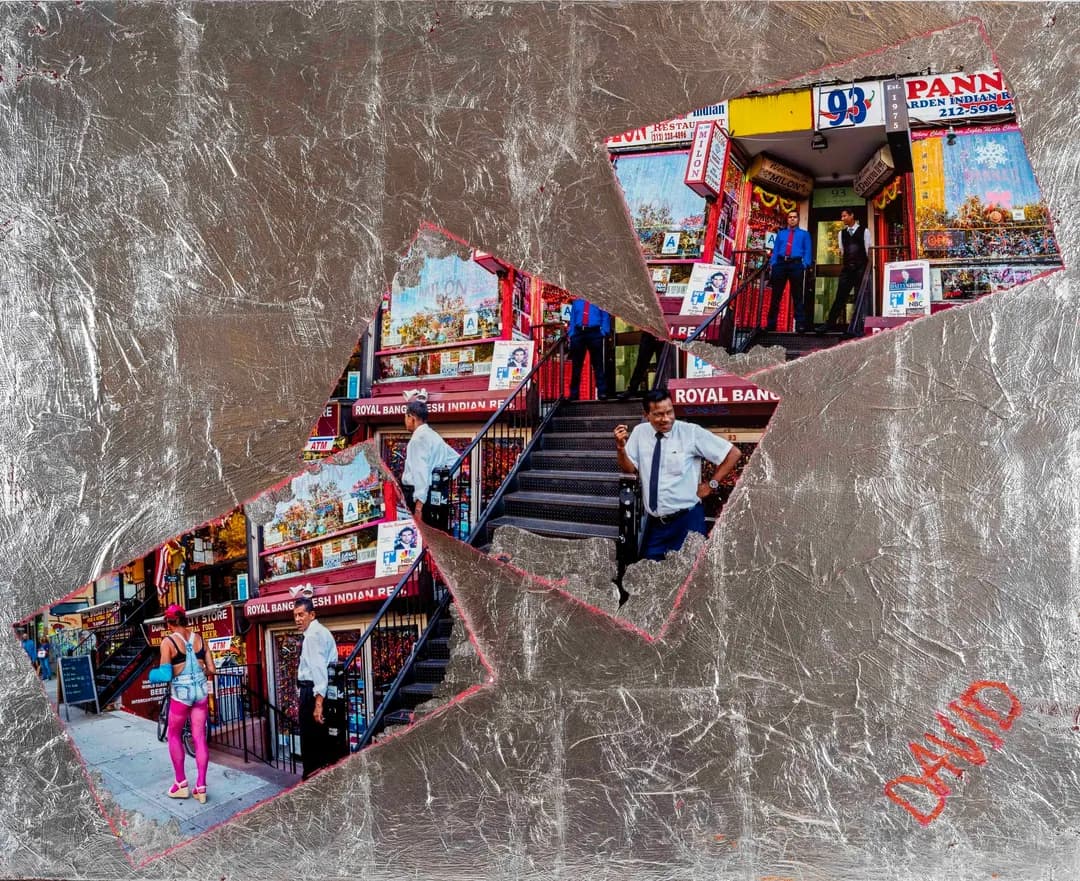
panoramic worksPanoramic fine-art photography — a decades-long exploration of the format David Reibman calls "Mollage," where overall cohesion depends on the individual frames.


Panoramic fine-art photography — a decades-long exploration of the format David Reibman calls "Mollage," where overall cohesion depends on the individual frames.
Panoramic fine-art photography — a decades-long exploration of the format David Reibman calls "Mollage," where overall cohesion depends on the individual frames.
David Reibman
Reibman traces his photographic journey to childhood at the Central Park Zoo with a box camera at age ten. After receiving glasses following an eye test, he expanded his practice, developing film in a makeshift bathroom darkroom using improvised equipment.
During his late teens, he adopted a 35mm camera as a tool for urban photography. His studies at Cooper Union and Cal Arts introduced him to color photography in California’s saturated light.
In 1977, inspired by panoramic postcards of Duluth, Minnesota, Reibman began experimenting with this format. He moved beyond precise reproductions to explore varied compositions and three-dimensional arrangements. He developed what he terms “Mollage” — work where overall cohesion depends on individual frames, with complex layers revealing themselves over time.
Have a project, print inquiry, or commission in mind? Send a message.